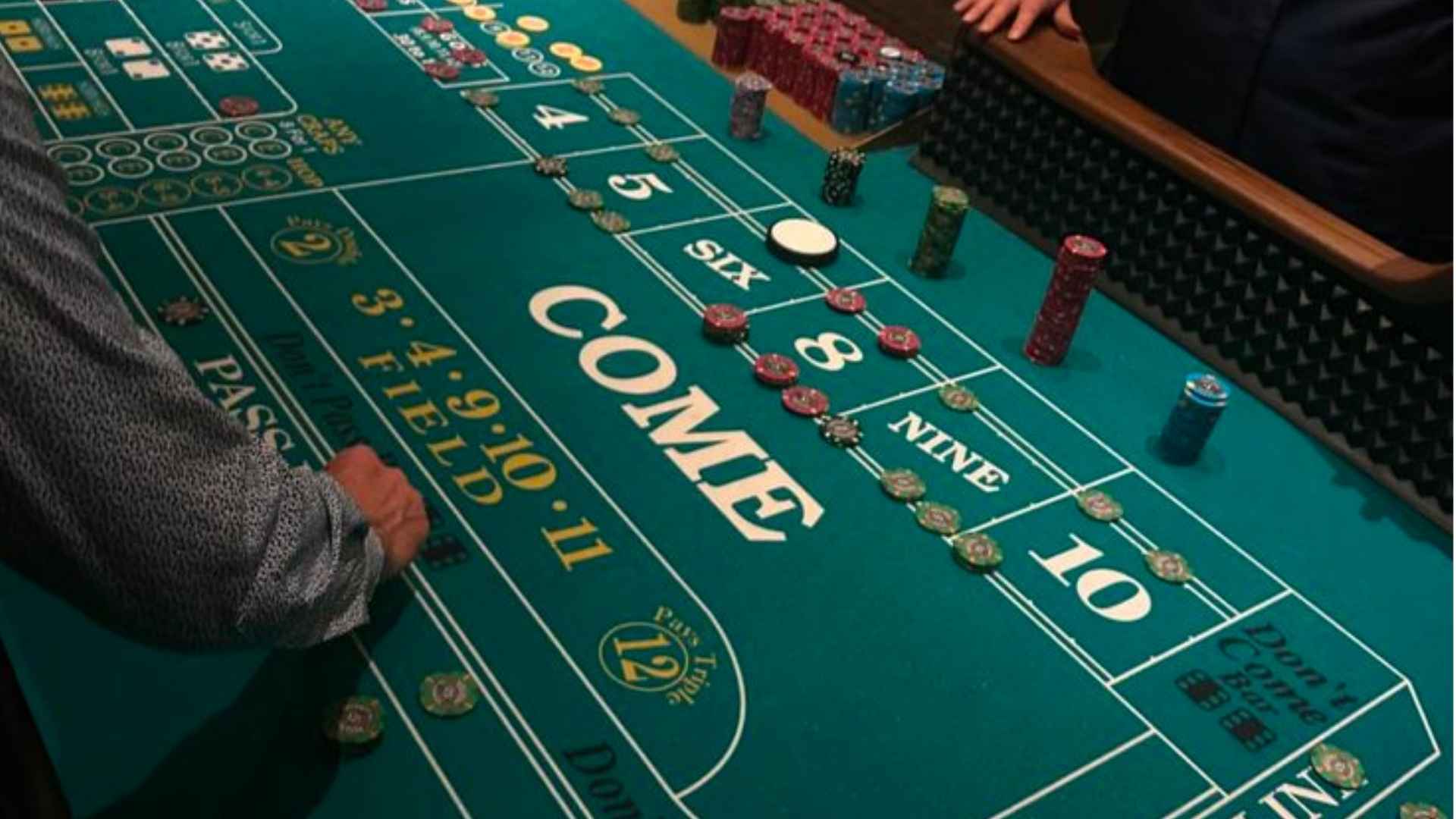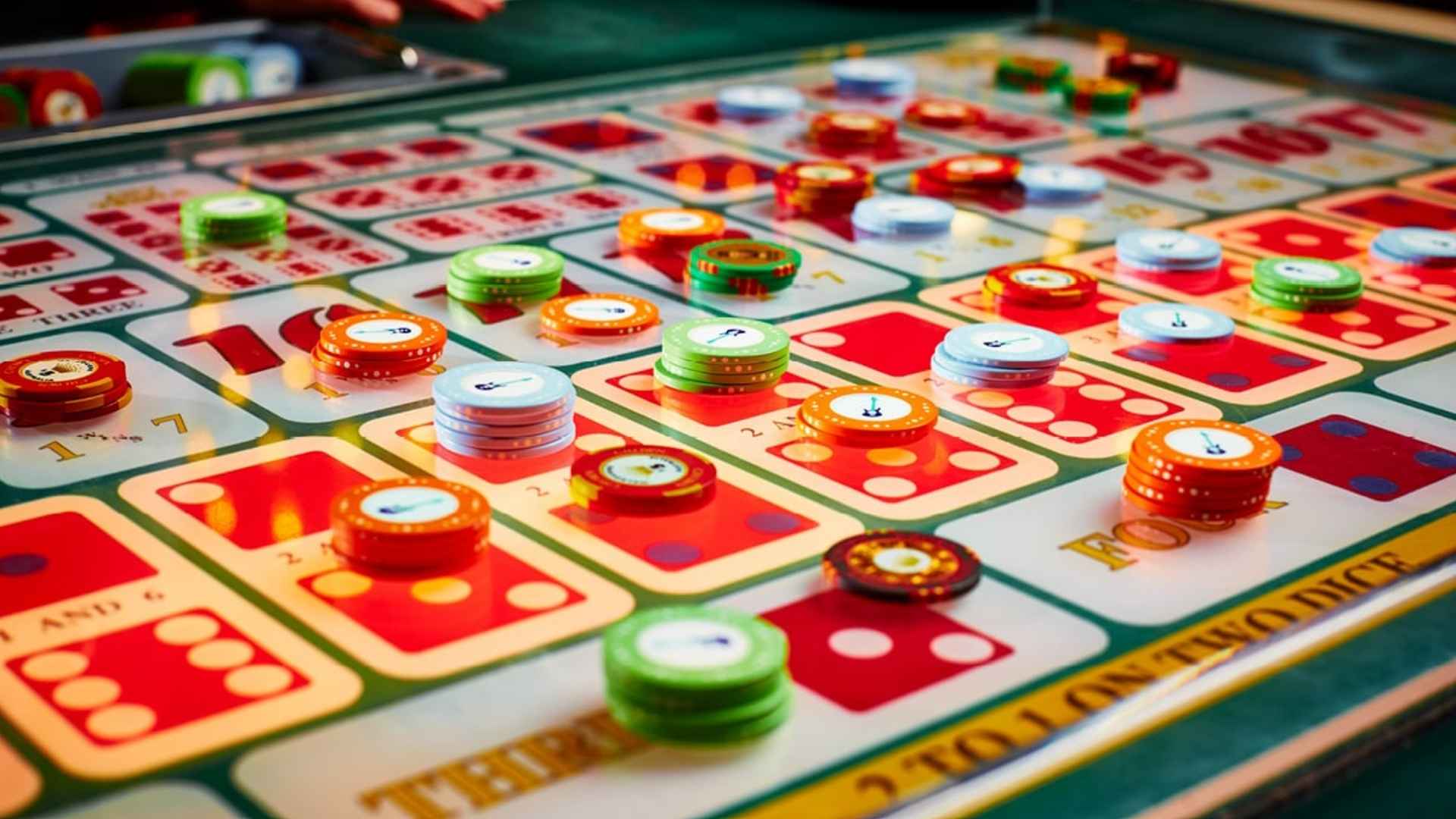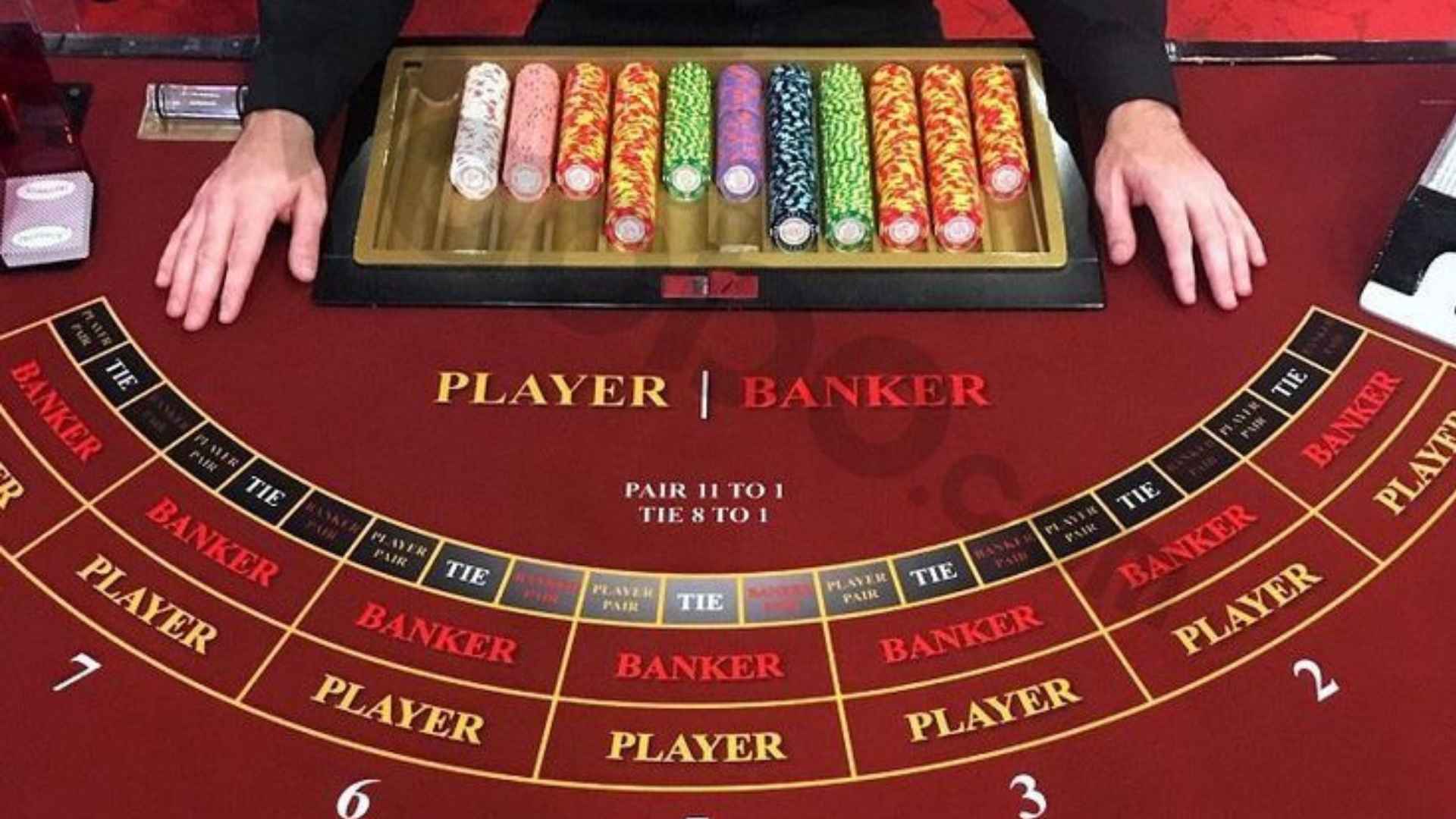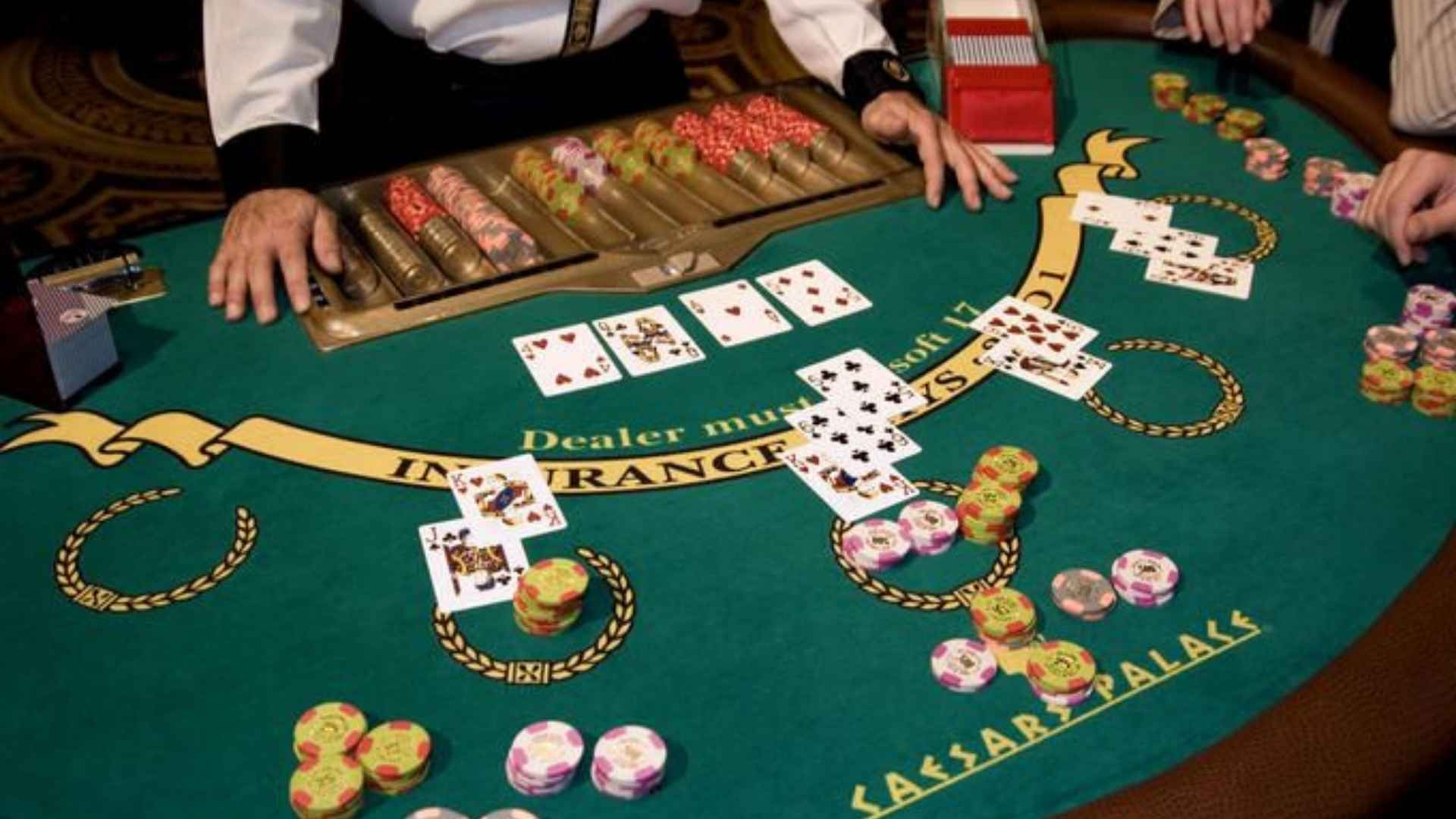
The traditional gaming salon has always been more than just a space for wagering currency on the turn of a card. It functions as a structured ecosystem where human interaction is governed by unspoken codes of conduct and deeply ingrained habits. Exploring the specific dynamic between the croupier and the participants reveals how early table culture prioritized psychological discipline and mutual respect over simple transaction speed.
The Silent Choreography of Manual Dealing
In a classic card room, the dealer serves as both the conductor and the ultimate guardian of game integrity. Every physical motion, from the systematic washing of the deck to the precise delivery of each card, follows a rhythmic sequence designed to build trust. This deliberate pacing ensures that participants have adequate time to evaluate their positions without feeling rushed by mechanical processes.
Furthermore, the physical manipulation of the deck establishes a distinct acoustic environment within the salon. The crisp sound of cards sliding across premium felt replaces the need for continuous verbal communication among attendees. This atmosphere of quiet focus allows analytical minds to fully immerse themselves in the unfolding strategy of each round.
The Etiquette of Seated Participants
Patrons entering a historic card room are expected to adhere to rigorous behavioral standards that maintain the collective dignity of the table. Sudden movements, excessive celebration, and uninvited commentary are traditionally discouraged to protect the concentration of others. This disciplined environment ensures that high financial stakes are balanced by a sophisticated social framework.
Individuals looking to appreciate how these classic table dynamics have transitioned into modern entertainment can explore platforms like m88 thể thao to observe contemporary variations. While digital systems handle the physical distribution of assets, the core principles of strategic observation and patience remain essential for modern enthusiasts. Understanding these behavioral boundaries helps casual observers appreciate the deeper cultural heritage behind popular tabletop games.
The Shared Accountability of Shifting Roles
Before highly centralized corporate entities managed every casino floor, table operational burdens were frequently shared directly among the participants. In several classic European variants, the privilege and financial liability of holding the bank would rotate around the layout based on strict situational rules. This fluid distribution of authority forced every seated individual to actively balance personal risk against the collective capital of the room.
This structural arrangement completely altered the psychological environment, transforming passive players into active managers of the table welfare. It required a high degree of financial courage and acute positional awareness, as a single miscalculation could impact the entire group. By studying these participatory traditions, contemporary players gain a much more balanced perspective on the evolution of modern gaming setups.